Beneath the shimmering skyline, a quieter revolution is reshaping Dubai. This is no longer just a city of superlatives, but of sustainability—where ambitious green targets are translating into tangible urban living, business opportunities, and a new kind of luxury. For residents and investors, understanding this shift isn’t about idealism; it’s about recognizing where the future value lies.
From Megaproject to Microgrid: The Infrastructure Leap
Dubai’s sustainability journey is scaling from monumental to personal.
The Macro Vision: Mohammed bin Rashid Al Maktoum Solar Park
Already one of the world’s largest single-site solar parks, its expansion aims to power 1.4 million homes with clean energy and reduce 6.5 million tonnes of carbon emissions annually. This isn’t just energy production; it’s the bedrock of a new economic model.
The Community Blueprint: The Sustainable City
This pioneering development isn’t a niche experiment—it’s a prototype for urban living. With its solar-powered villas, bio-dome greenhouses, and car-free zones, it has achieved 100% utility bill savings for residents and zero net energy costs. Its success has spawned similar “green community” concepts in developments across the emirate, proving that sustainable design is commercially viable and desirable.
The Personal Power Shift: Shams Dubai Initiative
This net-metering program allows homeowners to install solar panels and sell excess electricity back to the grid. The payback period has shrunk to just 4-6 years, turning rooftops into personal power stations and long-term financial assets.
The Green Business Frontier: Where Ethics Meet Economics
Sustainability is creating entirely new market sectors in Dubai.
1. Sustainable Tourism & Experiences
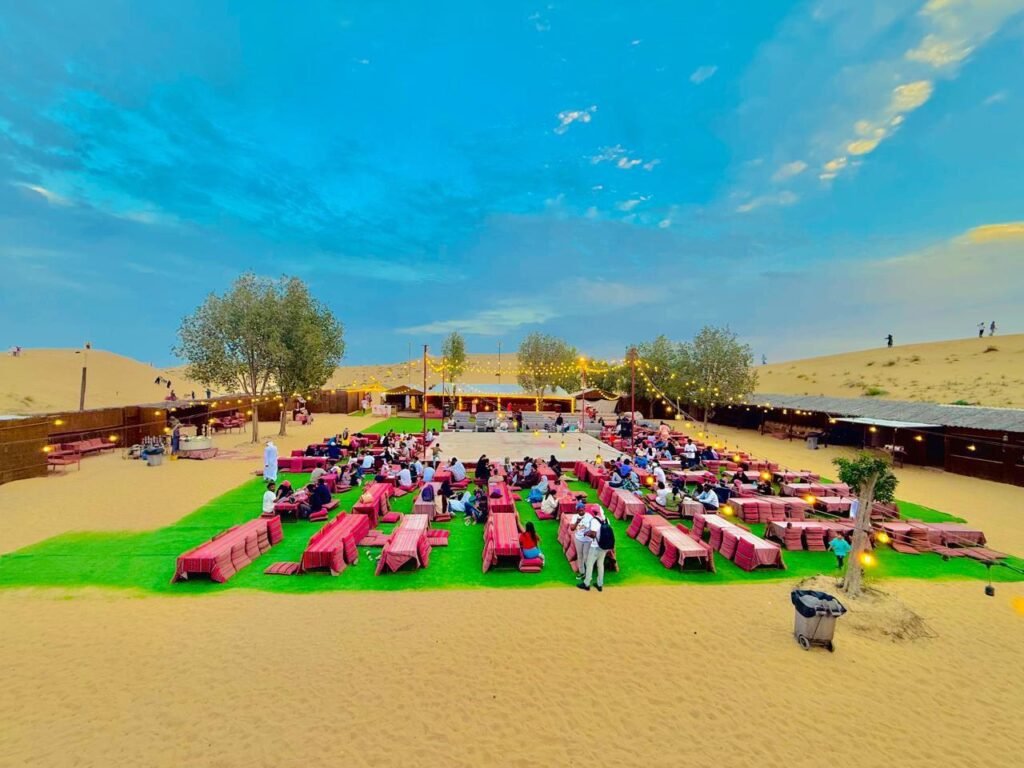
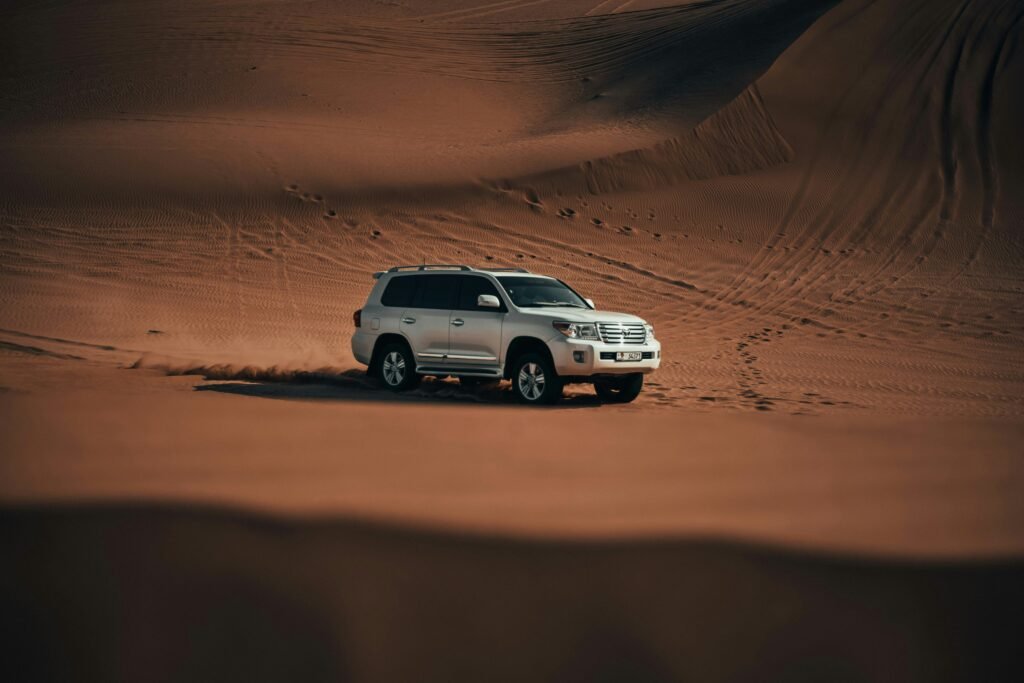
The desert safari, a quintessential Dubai experience, is evolving. Forward-thinking operators are now deploying:
- Electric or hybrid 4×4 vehicles for silent, emission-free dune exploration
- Solar-powered desert camps with waste-reduction systems
- Educational components on Bedouin ecology and desert conservation
This “eco-safari” model commands premium pricing and attracts a growing segment of conscious travelers. It proves that authenticity and sustainability can be a powerful commercial combination.
2. Circular Economy Services
The old “take-make-waste” model is being disrupted. New businesses are thriving by focusing on lifecycle management:
- Advanced Automotive Care: The highest-end car detailing now includes waterless wash technologies that save thousands of liters per month, biodegradable cleaning agents, and paint protection systems that extend vehicle life dramatically, reducing the environmental cost of premature manufacturing.
- Asset-Longevity Services: From furniture restoration to electronics repair, services that extend product life are gaining traction among both cost-conscious and eco-aware consumers.
3. Green Tech & Smart Infrastructure
Dubai’s green building regulations (Al Sa’fat) have created a booming market for:
- Smart irrigation and landscaping tech
- Building management AI for energy optimization
- Urban vertical farming solutions
The Conscious Consumer: Dubai’s New Luxury Standard
Sustainability is becoming a status symbol. The luxury market is shifting from mere opulence to responsible elegance.
- The Sustainable Home: High-net-worth residents now look for smart home systems that minimize energy waste, greywater recycling, and non-toxic building materials. The premium is no longer just for marble; it’s for efficiency.
- The Responsible Fleet: Luxury car ownership in Dubai is increasingly paired with carbon-offset programs and eco-conscious maintenance practices. Keeping a high-value vehicle in pristine condition through professional care isn’t just about aesthetics—it’s about preserving a major asset and reducing its lifetime environmental footprint.
- Experience over Possession: There’s growing preference for curated, low-impact experiences (like private nature conservation tours or clean-tech showcases) over material consumption.
Practical Pathways: How to Participate in Dubai’s Green Shift
For Residents:
- Audit Your Biggest Footprints: Transportation and home cooling are typically the largest. Consider an EV for city driving (with Dubai’s expanding charging network) and a smart thermostat.
- Choose Service Providers with Green Credentials: From your laundry service to your car detailer, ask about their water usage, chemical policies, and waste management. Your spending power drives change.
- Engage with Community Initiatives: Participate in beach cleanups, tree-planting drives, or the Dubai Can initiative to reduce single-use plastic.
For Businesses & Investors:
- Look for “Green Premium” Sectors: Sustainable tourism, circular economy services, and energy efficiency tech are receiving favorable regulations and incentives.
- Factor in Long-Term Operational Savings: Green buildings have significantly lower utility costs. Sustainable business processes often reduce waste and improve brand loyalty.
- Tell Your Sustainability Story: Transparency about environmental impact is becoming a competitive advantage in attracting both customers and talent.
The Horizon: What Comes After Net Zero?
Dubai’s 2050 Net Zero target is a milestone, not an end point. The next frontiers are already visible:
- Blue Carbon Ecosystems: Protecting and expanding mangrove forests that sequester carbon at rates far higher than terrestrial forests.
- AI-Optimized City Management: Where traffic flows, energy distribution, and waste collection are managed in real-time by algorithms to eliminate inefficiency.
- Bio-Inspired Design: Architecture and products modeled on desert ecosystems for perfect climate adaptation.
Conclusion: Sustainability as the New Foundation
Dubai’s green transformation reveals a fundamental insight: Sustainability and growth are not opposites; they are now interdependent. The city that built islands is now building ecosystems. The economy that celebrated consumption is now celebrating circularity.
For those living and investing here, this shift represents more than environmental responsibility—it’s a roadmap to future relevance. The sustainable choices you make today, from the energy source powering your home to the service providers you patronize, are investments in a Dubai that’s being built to last.
This is no longer about saving the planet in some abstract sense. It’s about participating in the next chapter of a city that has always bet boldly on the future.